
Buy anything from 5,000+ international stores. One checkout price. No surprise fees. Join 2M+ shoppers on Desertcart.
Desertcart purchases this item on your behalf and handles shipping, customs, and support to Hong Kong.
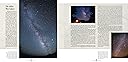
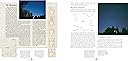
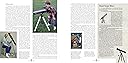
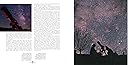
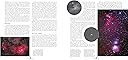
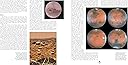
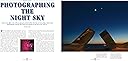
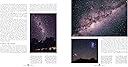
Revised Fourth Edition: updated for use through 2025. The first three editions of NightWatch sold more than 600,000 copies, making it the top-selling stargazing guide in the world for the last 20 years. The key feature of this classic title is the section of star charts that are cherished by backyard astronomers everywhere. Each new edition has outsold the previous one because of thorough revisions and additional new material. NightWatch has been acclaimed as the best general interest introduction to astronomy. The fourth edition has improvements over the 3rd edition in every chapter, including: The famous charts, ideal for stargazers using a small telescope or binoculars A complete update of the equipment section, including computerized telescopes An enlarged photography section, including how-to instructions for using the new generation of digital cameras for astronomical photography, both with and without a telescope The tables of future solar and lunar eclipses, planetary conjunctions and planet locations, updated through 2025. This edition includes star charts for use in the southern hemisphere. There are also dozens of new photographs throughout the book that show the latest thrilling discoveries made by current space observatories and probes. Review: A Must-have, but... - I can't recommend Night Watch enough for a beginner. Dickinson's information is essential in beginning to understand how to observe the sky (day or night), how to select and purchase astronomical gear, and it comes with many sky charts to get you started with observation and with astrophotography. It is a delight to read and packed with useful and interesting information that is easy to understand even for those with little or no previous knowledge of astronomy. And the photographs are many and marvelous! The "but..." in my title refers to that fact that, as a few reviewers have noted, Night Watch is very much a BOOK in addition to a guide. This means that the charts and the tips on how to actually use them are surrounded by lots of TEXT. I love the text and think it is helpful and interesting, but it is important to read Night Watch BEFORE heading out to your backyard to stargaze. Otherwise you might be jaded like a reviewer or two I have seen who wait to crack open the book until their are outside itching to locate the Whirlpool Galaxy. If you already have some knowledge of stargazing and are looking for a quick grab-and-go handbook with long, detailed lists of objects to locate, you aren't looking for Night Watch. In conclusion, BEGINNERS - purchase with confidence! Dickinson can help anyone start stargazing, understand the mysteries of the objects in our skies, and purchase their first pair of binoculars or telescope. Night Watch may be the only observing guide you'll need. For the truly hard-core and those who own/will buy a telescope, I recommend also investing in a subscription to Astronomy magazine or Sky & Telescope. Don't forget your red flashlight - red to preserve your night vision. Dickinson mentions wrapping a flashlight in "red plastic," but he should add my very favorite old tip - buy a roll of red tail light tape and stick it on one of the old flashlights you've got lying around. Very cheap and effective! NON-BEGINNERS, if you're just looking for a long list of objects to find and how to find them, look elsewhere. Review: The reviews say it all, for any beginner (and even interm.) this book is a must! - The reviews say it all on this book. It gives you a great analysis of amateur stargazing and telescoping. I found the best thing was the back charts. He includes 20 charts of the constellations and what an amateur stargazer can expect to see within each constellation (what galaxy's, nebulas, binary stars, etc). It was awesomely educational. His comment on the Andromeda galaxy was spot on. I was so disappointed in what I saw the first time I looked at this galaxy cause all it was was a white blob. I was almost turned off right there, saying to myself, ARE YOU serious this is what Im going to see thru my scope, what a disappointment. But this guy really explains the best things to see in the sky and he harners your expectations by saying you will not see anything like you see in magazines because those pictures are photographed and layered for hours. Realizing that I got right back into it and read how there are ton of other things that are much better to look at and the reason the Andromeda galaxy is so blurry is the fact that its 2.5M Light Years away! Its actually the farthest object in the sky one can see with the naked eye (of course in optimal conditions). Realizing all that I moved on and was much more impressed of other objects he suggested...PLanets are the best in my view, Orion Nebula is awesome too, and binary stars are very cool. Understanding this, my love of stargazing is just beginning and the more I know the more I am completely in awe. His best advice, and he is SPOT on, is buy binoculars first. Learn and educate yourself of the sky before trying to blindly point your scope in the sky. The rewards will be great. Knowing your way around and educating yourself of the immense beauty of this universe is the biggest reward you will receive. BUY THIS BOOK!
| Best Sellers Rank | #613,572 in Books ( See Top 100 in Books ) #847 in Astronomy (Books) |
| Customer Reviews | 4.7 out of 5 stars 1,745 Reviews |
S**A
A Must-have, but...
I can't recommend Night Watch enough for a beginner. Dickinson's information is essential in beginning to understand how to observe the sky (day or night), how to select and purchase astronomical gear, and it comes with many sky charts to get you started with observation and with astrophotography. It is a delight to read and packed with useful and interesting information that is easy to understand even for those with little or no previous knowledge of astronomy. And the photographs are many and marvelous! The "but..." in my title refers to that fact that, as a few reviewers have noted, Night Watch is very much a BOOK in addition to a guide. This means that the charts and the tips on how to actually use them are surrounded by lots of TEXT. I love the text and think it is helpful and interesting, but it is important to read Night Watch BEFORE heading out to your backyard to stargaze. Otherwise you might be jaded like a reviewer or two I have seen who wait to crack open the book until their are outside itching to locate the Whirlpool Galaxy. If you already have some knowledge of stargazing and are looking for a quick grab-and-go handbook with long, detailed lists of objects to locate, you aren't looking for Night Watch. In conclusion, BEGINNERS - purchase with confidence! Dickinson can help anyone start stargazing, understand the mysteries of the objects in our skies, and purchase their first pair of binoculars or telescope. Night Watch may be the only observing guide you'll need. For the truly hard-core and those who own/will buy a telescope, I recommend also investing in a subscription to Astronomy magazine or Sky & Telescope. Don't forget your red flashlight - red to preserve your night vision. Dickinson mentions wrapping a flashlight in "red plastic," but he should add my very favorite old tip - buy a roll of red tail light tape and stick it on one of the old flashlights you've got lying around. Very cheap and effective! NON-BEGINNERS, if you're just looking for a long list of objects to find and how to find them, look elsewhere.
B**3
The reviews say it all, for any beginner (and even interm.) this book is a must!
The reviews say it all on this book. It gives you a great analysis of amateur stargazing and telescoping. I found the best thing was the back charts. He includes 20 charts of the constellations and what an amateur stargazer can expect to see within each constellation (what galaxy's, nebulas, binary stars, etc). It was awesomely educational. His comment on the Andromeda galaxy was spot on. I was so disappointed in what I saw the first time I looked at this galaxy cause all it was was a white blob. I was almost turned off right there, saying to myself, ARE YOU serious this is what Im going to see thru my scope, what a disappointment. But this guy really explains the best things to see in the sky and he harners your expectations by saying you will not see anything like you see in magazines because those pictures are photographed and layered for hours. Realizing that I got right back into it and read how there are ton of other things that are much better to look at and the reason the Andromeda galaxy is so blurry is the fact that its 2.5M Light Years away! Its actually the farthest object in the sky one can see with the naked eye (of course in optimal conditions). Realizing all that I moved on and was much more impressed of other objects he suggested...PLanets are the best in my view, Orion Nebula is awesome too, and binary stars are very cool. Understanding this, my love of stargazing is just beginning and the more I know the more I am completely in awe. His best advice, and he is SPOT on, is buy binoculars first. Learn and educate yourself of the sky before trying to blindly point your scope in the sky. The rewards will be great. Knowing your way around and educating yourself of the immense beauty of this universe is the biggest reward you will receive. BUY THIS BOOK!
C**R
Great Starting Point
Purchase and read this book for a great start in the hobby of astronomy. Mr. Dickinson has produced and refined a (fourth-edition) book that is both informative and enjoyable. Like everyone else, I was anxious to purchase optical aids to help my understanding and enjoyment of the night sky. I found the sections on optical aids (binoculars and telescopes) to be especially helpful in this regard. I recommend reading this book prior to any binocular or telescope purchase...it will probably save you money. The book contains deep-sky charts with diagrams of all the major constellations suitable for outdoor use. Diagrams are presented to help one navigate the sky from star to star and locate objects of interest. I would definitely recommend this book (and a flashlight with a red lens) to a friend interested in getting a good start in this hobby at very small cost. The book also contains a shopping list of publications to be added in future as interest builds.
P**N
Excellent introductory book, except for the pictures
Buy this book before you buy a telescope! If you are completely new to stargazing, constellations, and telescopes but want to learn, look no further than this book. The author presents an easy system to navigate the constellations (which are a roadmap to other objects), although it does take some investment of time and effort on your part. I especially like how the constellations are shown pictorially next to an actual picture of the sky showing the constellation. But at the end of the day, you have to go out at night and try to find the constellations. The section discussing types of telescopes and their comparative strength and weaknesses is very useful to someone who does not own a telescope. The advice on a good stand is priceless for those contemplating their first purchase. The book also touches on astrophotography, but only in passing. You have to learn the basics of navigating the sky first. I do have one HUGE complaint about this book. While the pictures are stunning and beautiful, they are NOTHING like you can expect to see with a small, amateur telescope. I think setting the wrong expectations for what people can expect is dishonest and sets them up for disappointment and disillusionment. If not for the pictures, I would have given this 5 stars.
T**Y
This Book Belongs with your Telescope!
Terry Dickenson hits another one out of the park with this fantastic latest edition of Nightwatch! A fantastic stand-alone work, or a supreme companion piece to Dickenson's other landmark volume, The Backyard Astronomer's Guide , this book was meant to be used! Made of high quality gloss paper and spiral-bound to lay flat, Nightwatch was built from the ground-up to be a field guide to the young (and young-at-heart) amateur astronomer. Terry covers soup-to-nuts in his books, keeping things very simple and straight-forward. He covers everything from equipment to viewing conditions (including a very informational section of the growing problem of light-pollution), what sort of equipment to buy (or avoid), and some top-notch star maps! These latter are the "meat 'n taters" of Nightwatch, and the primary reason the book was designed the way it is. The pages withstand light-to-moderate dewing without curling the pages, and because it lays flat you can use the book as a field guide to help navigate the nighttime heavens. No serious amateur (or amateur-to-be) astronomer should be without Nightwatch being within arm's reach on a clear night. Together with TBAG and Br. Guy Consolmagno's Turn Left at Orion: A Hundred Night Sky Objects to See in a Small Telescope--and How to Find Them , they make the "Amateur Astronomer's Trifecta" and a worthwhile investment for any star-gazing library!
F**Y
It fires you up !!!
I am loving this book to the core. Reasons are very simple. You can go directly go to bulletted reasons by skipping my short story below. I love astronomy so much, nature is simply awesome. Part of that I wanted to do stargazing and did not know where to start. Thinking its so easy if we just had the telescope and I ordered celestron 4se 4" telescope. First day gazed at moon (awesome)...after few days..Venus (wow!) ... and then tried Mars (not so much details i can make out) ... and then I am done... dont know where to go and what to look for in the cosmic ocean..everywhere I look I see a star and whatever magnification your telescope has doesnt matter it will still look like a star because they are simply too far away. so you get bored rt? until you know so much about each point of light up in the sky what it is? is it a double star? nebula? galaxy? star cluster? galactic cluster?etc.,etc., My telescope and interest are cold and packed up to my basement... And then I came to know about this book and started reading it. - It really draws you in - Fires up your interest - Its like a navigation system which teaches you to navigate on your own. not letting you go for the book all the time when you want to navigate up in the sky - Takes step by step approach so that you are not overwhelmed with the knowledge that you gain. - Like it starts of with our simple solar system and takes you to the deep like galactic super clusters - Beautiful color pictures - Season wise star charts - Nice tips and techniques on various topics - Very good guidelines in picking up your telescope and binocular Was able to do after reading this book: - Looked at jupiter and four of its moon - Know winter sky constellation and how to navigate and identify few different objects in the sky - Located orion nebula and WOW WOW its like costliest diamond jewel put on a beautiful cloud - Pleiades starclusters - learned what are the right time to see what objects - VariableStars and identifying them - Binary and multiple star systems' what else one can ask for?
N**K
Great first book on astronomy
This book is a fantastic way to start learning about astronomy. It is very useful for a wide range of people: from the absolute beginner with no equipment who just wants to learn a little about the night sky and how to identify constellations, to someone wanting to explore the sky with a pair of binoculars, to someone who is thinking about buying a telescope, to someone who has a good telescope and wants to find some beautiful things to look at or wants to know a little more about the things he has already seen. It has some great basic star charts, but they are not extremely detailed, so if you want to start hunting some of the harder-to-find objects in the sky, you probably want to purchase some separate star charts, maybe something like Sky and Telescope's "Pocket Sky Atlas". If you've been doing astronomy for years, there's probably not much here that you don't already know, but for beginners, it is an excellently comprehensive primer.
D**.
buy this book before buying your first telescope
I bought this book because of the great reviews amazon costumers were giving. Thanks amazon costumers, I'm glad I bought it! It gives such great information about chosing telescopes. People who have a small telescope (under 4 inches in aperture) may be a little peived about this book because the author doesn't talk very highly of small refractors bought in department stores. Not many authors do. I wish I bought this book first before buying any telescope. I say this in my review title because i highly stress it. I first bought a 70mm refractor when I knew absolutely NOTHING about telescopes (because I did no prior reading), and I ended up sending it back within a month because I started to learn more about them through websites and books. So I bought the spaceprobe 130mm (5.1 inch) by Orion, but the equatorial mount was not my favorite gadget to work with, but it's still a great tool, and it has great reviews, so I'm not going to totally trash it. This book recommends beginner scopes with great aperture and ease of use. He explains a variety of scopes, and what he considers a great buy. I sold my spaceprobe to my colleague and got a 6inch Newtonian Dob. It hasn't arrived yet, but I'm positive I made the right choice based on this book. He goes into eyepeices and everything you need to know about what to buy. Once you've read this book, you've done your homework, and you'll be more confident in buying the right items. If you're going to spend hundreds on a telescope plus accessories, make sure you're not wasting it on the wrong things. I love the glossy pages and colorful images. I highly recommend this book with "Left Turn at Orion". Buy them together if you're totally new at this. One will complement the other. If you have a small rafractor, you will love "Left Turn at Orion" because that is one of the few books that don't insult the small refractors, but tells you how to use them.
M**S
Livro sensacional!
Vale a pena cada centavos. Livro muito bem estruturado desde os conceitos bรกsico atรฉ outros assuntos para quem jรก estudou e estuda astronomia. As astrofotografia e ilustraรงรตes bem feitas levam a uma experiรชncia muito boa durante a leitura deste livro.
J**Z
Great value!
easy to understand even for people with zero experience in stargazing
B**I
Un'ottima guida, superiore alle aspettative
L'ho comprato per imparare a 'leggere' il cielo notturno, avere una mappa solare, e alcune indicazioni circa l'acquisto del mio primo telescopio. Se quest'ultimo punto puรฒ mostrare le debolezza di un approccio non solo necessariamente semplicistico, ma anche ovviamente senza poter parlare degli effettivi prodotti in commercio (marche, prezzi, ecc); ma questo รจ anche un punto di forza che ci fa capire cosa conta davvero in un telescopio, e per cosa lo potremo usare - e specialmente non usare. Divulgativo ma non banale tutto il resto; ho imparato tantissime informazioni. Non eccezionale la rilegatura ad anelli fino a che non si usi la mappa stellare: a quel punto si ringraziano gli editori per la scelta... Consigliato.
A**A
Great book
This will interest most people in to doing at least one session of star gazing. This is something everyone should do before they die. Dickinson is a master at making it all so easy and obvious USING ONLY YOUR EYES. A set of cheap binoculars is handy for looking at the moon when you can't see what everyone else claims they can in the stars. Highly recommended.
L**S
Best all-round book
If I had to choose only one astronomy book, I would definitely go for this one for beginner and intermediate level visual astronomers. I already own 8 books of this type. There's are better ones for specific fields, but this one is a very, very good all rounder that
Trustpilot
5 days ago
1 month ago