We remain fully operational. Our teams are working around the clock to ensure your deliveries continue safely.

下载应用程序




🎶 Elevate your audio game — portable power meets audiophile precision!
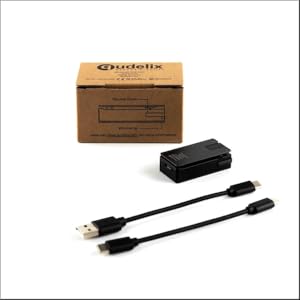
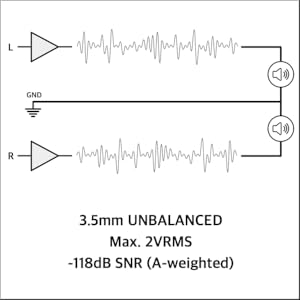
The Qudelix-5K is a compact Bluetooth USB DAC amplifier featuring dual ES9219 HiFi DACs, Qualcomm QCC5124 chipset, and support for premium codecs like LDAC and aptX Adaptive. It offers both 2.5mm balanced and 3.5mm unbalanced outputs, a customizable parametric equalizer, and up to 20 hours of battery life, making it a versatile, high-fidelity solution for wired headphones and earphones on the go.




| ASIN | B088F7C976 |
| Batteries | 1 Lithium Polymer batteries required. (included) |
| Best Sellers Rank | #5,761 in Electronics ( See Top 100 in Electronics ) #5 in Headphone Amps |
| Customer Reviews | 4.6 4.6 out of 5 stars (2,415) |
| Date First Available | May 6, 2020 |
| Item Weight | 0.917 ounces |
| Item model number | Qudelix-5K |
| Manufacturer | Qudelix,Inc. |
| Product Dimensions | 2.07 x 1.04 x 0.61 inches |
A**R
Great PEQ OVERALL AMAZING
I really enjoy the Qudelix 5K both on the go and at home when plugged in. I use it with my Punch Audio Martilo IEMs on a Tripowin 2.5mm balanced cable, and my Hifiman Ananda Stealth V3 using a Meze Audio 2.5mm to 3.5 mono silver-plated copper cable. Both pairings work beautifully in wireless mode at 2 VRMS. I don’t really take the Anandas outside, but around the house the Qudelix makes them surprisingly versatile and easy to use without being tied to a desk setup. The Martilos are my travel set — great for store runs and general out-and-about use. Wired mode is where things really step up. Listening to lossless audio through USB with both headphones sounds wonderful. Some people say you can’t really hear the difference between lossless and Bluetooth, but in my experience you can — especially in clarity and separation. Bluetooth still sounds very good, but wired lossless has that extra clean edge. When it comes to PEQ, this is where the Qudelix 5K really shines. The parametric EQ system is one of the best features. You can build your own custom PEQ profiles or load presets from well-known audiophile sources. It makes it easy to fine-tune both the Martilos and the Anandas exactly how you want them. Battery life has been excellent in my use. With the IEMs I get over 10 hours consistently. With the Anandas it’s shorter — usually around 5–8 hours — but I solve that by using a low-charge battery pack (important — low charge mode). With that setup I can stretch runtime to around 14 hours with the Anandas and close to 24 hours with the Martilos. For anyone who needs something portable but still powerful and flexible, the Qudelix 5K delivers. The fact that all of this comes in such a small device makes it absolutely worth it.
S**S
Excellent Portable DAC/Amp if You Want Control and Options
This is my first DAC/amp. I bought it mostly based on the hype and positive reviews, and because I wanted something portable with a lot of flexibility. Overall this is an excellent DAC/amp for the price with a really strong feature set. Bluetooth supports most of the important codecs, and the balanced 2.5mm output is a big plus for something this small. In 2025 I do kind of wish it used 4.4mm instead, but it’s not a deal breaker. Sound quality is clean and has more than enough power for the headphones and IEMs I’ve tried. It also has battery passthrough and lets you set safe charging limits, which is a nice touch if you care about battery longevity. The app is one of the best parts. There are a ton of options, it’s actively updated, and it feels like the developers actually care about supporting the product. Build quality seems fine for daily use, but it’s basically a chunk of plastic with a clip, nothing fancy. The buttons take some getting used to, and there’s a lot I still haven’t messed with yet. This probably isn’t the device for someone who just wants super simple plug-and-play. But if you want flexibility and control in a small portable DAC/amp, it’s hard to beat for the price.
T**S
Amazing BT Receiver
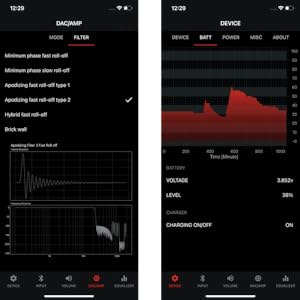
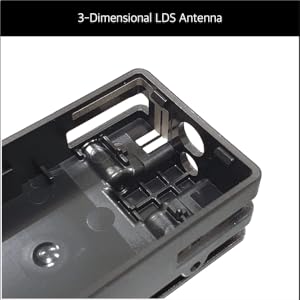
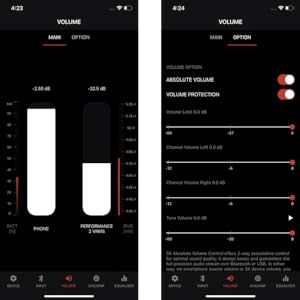
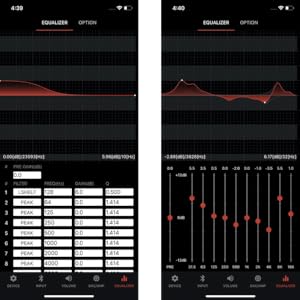
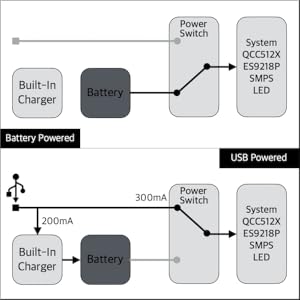
Hi.. I'd like give my view on Qudelix 5K after using it for almost 3 months. Hopefully what I share below could help others to understand better about this device. Qudelix 5K is a very sophisticated audio device. I notice it captures firstly/mostly the 'serious' audio lovers/enthusiasts. I myself like it so much and really amazed by its sound quality that I feel it necessary to introduce it to greater audience than just the audio enthusiasts. For this reason, I'm going to try explain it in a more simple than technical approach. In simplest term, device like Qudelix 5K can do two things: 1. As Bluetooth receiver (receive BT audio and send out analog audio) 2. As USB to analog audio dongle (USB-C to analog audio out) The USB-C port on 5K is dual function port. We could use it to charge the battery on 5K, or use it as interface for USB-to-analog audio dongle, or both. Qudelix 5K send out analog audio via the 3.5mm or 2.5mm jack on top of the unit. On either of this port we could connect earphones/headphones or send the output across to the external audio amplifier (i.e. home audio or car audio). (Note: the 2.5mm port is intended to operate in 'balanced' audio mode. If you have no idea what it is all about, please avoid to use it. Don't try to put in just any 2.5mm plug/cable, without proper 'balanced' wiring. 5K could be damaged by the wrong 2.5mm connector/cable.) Depend on how we like to use 5K, how deep we want to dig 5K capabilities and tinker with their accompanying mobile app, we could turn this device from sounding great to amazing. We could use Qudelix 5K just as simple BT receiver/audio dongle. The device have been pre-set up by manufacturer with optimum default settings. IMHO, the default settings on 5K is more than enough to make average/most listener to be happy with it. Enough to open them up to the world of improved audio reproduction and that while having the freedom of detached (i.e. wireless) earphone/headphone from their mobile phones. Please don't feel degraded/depreciate when I mention 'average'. By 'average' is I mean for people enjoying music more than concerning with how their audio equipment perform (that's why there's the term 'audiophile for this kind of love :) ). I myself is more of a music lover (80% of time) than audiophile, though I really love to hear my music sounding their best. Qudelix provide 5K with an accompanying mobile app (available for iOS on AppStore and Android on PlayStore). The app is intended to do many things such as: - to regularly upgrade the 'software' inside Qudelix 5K; to improve its performance and stability - to formally start the warranty of the 5K with the manufacturer - to adjust behavior when it is connected as USB dongle - to enable/disable certain Bluetooth audio codecs (note: by default all codecs are enabled) - to adjust the buttons behavior/actions - to adjust the power/battery management - to adjust it to get the maximum sound quality (remember: this one is not mandatory to get good sound out of 5K, as I mentioned above) - to set the built-in equalizer in 5K to adjust it to sound more to our flavor (note: human hearing and ear profiles are never the same person to person), or to 'correct' the imperfect characters of earphone/headphone, or compensate the room response of home/car audio system. - and few more The interesting part with the app is, the Qudelix app is actually just a user interface to set these settings on 5K. All the settings we do on the app are not saved on the app but directly on 5K and the app is no longer needed for 5K to perform. Settings on 5K will follow it everywhere regardless of the mobile phone or computer using 5K as BT receiver or USB audio dongle. So if in one occasion I used 5K with my friend's mobile phone or I used to test a mobile phone in the store, all the settings (including the sound profile) will just follow with 5K. With such capabilities of Qudelix 5K, the app then is a little bit complex to use. You'll need time to really understand and to use all the features. I myself confused on my first time using it. But don't feel too overwhelmed but the app, if you found it is too complex to understand it, just leave it. Qudelix 5K sounded already good with its all default settings. I don't want to cover all the settings and Qudelix capabilities here. Those could be found on their user guide. I'm going to list the things that I found amazing on Qudelix 5K. 1. Amazing Sound. I've repeated this many times above. It simply sound amazing. Be it used with just basic AAC/Apt-X codec, or very advanced codec like LDAC, or using as USB-audio dongle. It sounded many, many times better then my other BT receiver Maceton WM4U. It sounded two or three levels above my LG V20 phone; a phone that is highly respected for the sound quality: better resolution, better music layers, better power, more finesse. 2. Long battery life. This depend whether we want to maximize it for longer battery life or set it for best audio performance, we can get between 10 hours to 20 hours of play. 3. Powerful Driving Power Device like Qudelix 5K is technically referred to as DAC (Digital Analog Converter). DAC will receive audio in digital format and convert it into analog audio. Analog audio is then converted by the interaction of amplifier and transducer (i.e. speaker, headphones, earphones, etc.) to become audio wave so that we human can listen to it. Normally analog audio output from DAC alone is quite low and need external amplifier to sound louder. In Qudelix 5K case, it has built-in little amplifier that is powerful enough to drive various headphones/earphones load. The 3.5mm port is powerful enough to drive many headphones. But the 2.5mm balanced port would deliver double of power. In balanced, it's quite powerful to drive my very demanding Hifiman HE5LE planar magnetic headphone to sound quite loud. 4. Amazing Bluetooth range. Qudelix hype about the 5K unique BT antenna design, and they are not just hyping it up. I could get 5K play 8 meters away from my LG V20 phones, across 3 layers of brickwall (of about 6 inch each) at my home and that while I use LDAC as codec, and that streaming from my LG V20 that can only do BT4.2. 5. Amazing Equalizer Qudelix 5K come with two flavors of 10 bands equalizer; Graphic Equalizer (GEQ) and Parametric Equalizer (PEQ). Equalizer is done on digital domain with 64 bits precision calculation, which mean the EQ could adjust the level of frequency and amplitude of the sound without degrading the quality of the modified sound. GEQ is something that most people familiar with. But PEQ is a beast of equalization tool. It provides a much more flexibility for us to shape the frequency of the sound to affect the response of our earphone/headphone or room response of external audio system. Note that PEQ is usually considered as professional tool. But not necessarily professional audio equipment would have PEQ in it. Some lower/mid end even only have 3 to 5 bands PEQ. Amazingly 5K come with 10 bands very high precision PEQ in such a small package. By now, you should be able to see why I mentioned that Qudelix 5K is such a sophisticated audio device. Inside its understated appearance, Qudelix 5K is really an amazing, highly customizable and state of the art audio device. Below is the list of audio device I used with 5K this far. Earphone: Sony MH755, Blon BL-03, Fiio FH1 Headphone: Drop E-MU Purpleheart, Audeze Sine (in balanced), Hifiman HE-5LE (in balanced) Source (BT transmitter): LG V20 Music/songs: I don't limit myself with certain genre of music. I listen everything: classical/romantic/baroque/renaissance, rock (progressive, rock'n'roll, hard rock etc.), jazz (all derivatives), metal, pop, folk/country, vocal, etc. PS. Qudelix 5K has built-in microphone, which is very sensitive, but don't have noise cancellation. The voice coming out from the microphone is actually very good, but if we clipped Q5K to clothes it could easily pickup the noise of 5K rubbing the clothes and send across the sound to the other end. If we don't like this, and our earphone has built-in microphone, we can turn the 5K microphone off and instead using the external microphone on our earphone/headphone. In the other way around of usage, if our headphone/earphone don't have microphone (or we send audio output to amplifier for example) we could use the built-in microphone on Q5K for making a call. PPS. Comparing Graphic Equalizer (GEQ) and Parametric (PEQ). In GEQ, frequency range of human hearing (20Hz to 20KHz) are divided into about factor of two frequency scale (31.5, 63, 125, 250, 500, 1K, 2K, 4K, 8K, 16K) with fixed width of frequency range 'impact' for boost or cut as peak/valley. PEQ is a much more sophisticated equalizer in that this frequency scale can be adjusted freely by us, for how wide the impact would be, and whether the impact is affecting as peak/valley or as shelfing filter. Don't be confused and overwhelmed by this PEQ. It seems complicated at first but is really not that difficult to use. What makes it complicated is to effectively use PEQ to shape a headphone for example, we would need to have the frequency response measurement of the headphone. With that we will know on which part of response the phones are the lacking or having too much of volume. Then we rectify these with the PEQ. Luckily some sites readily share their measurements such on this list: https://www.reddit.com/r/oratory1990/wiki/index/list_of_presets The PEQ sample I attach as one of picture, show my way to correct the response of my Fiio FH1 IEM. I don't follow any 'Harman' Curve but use other excellent sounding IEM for reference. Without the EQ, it sounded smooth but flat and unexciting. PEQ turn it into a lively sounding IEM I could never imagine before.
M**L
Apple ist schuld. Seit Apple in Music Lossless Audio freigegeben hat, habe ich mal wieder angefangen etwas genauer hin zu hören. Deshalb habe ich mich in den letzten Wochen mit Kopfhörern und vor allem mit Digital-Analog-Wandlern beschäftigt….. Habe mir inzwischen auch noch ein Probeabo von TIDAL geholt.... Meine Anforderung war es einen DAC mit integriertem Kopfhörerverstärker zu haben. Vornehmlich für old school Blues, Rock und Hardrock. Da ich einen DT880 von Beyerdynamic mit 250 Ohm als Hauptkopfhörer betreibe sollte der Verstärker auch etwas Power haben. Abhörsituation: Wohnzimmersessel, nicht für Unterwegs. Bluetooth war mir zunächst nicht wichtig. (Das sollte sich aber noch ändern). Das Gerät sollte sich per Kabel an iPhone und Mac als USB-DAC betreiben lassen. Nach einigem Lesen bin ich auf Apogee Groove, ifi HIP DAC, FiiO BTR5 und eben den Qudelix 5k gestoßen. (Beim Groove hätte ich für den Betrieb am iPhone ein Powerpack benötigt. Da er vom Klang so gut bewertet war habe ich ihn dennoch mit getestet. Im Sessel hätten mich die Kabel auch nicht so gestört.) Ich habe die Geräte nicht messtechnisch verglichen. Da gibt es endlos viel Quellen. Meine Tests beschränkten sich auf viel Vergleichshören. In Kürze: der Groove klang spontan am "wärmsten“. Spontan, weil ich mit der Zeit gemerkt habe, dass es Immer einige Zeit benötigt, bis man die betonten Nuancen der Geräte wirklich erkennt. Denn die Unterschiede sind nicht sehr groß. Und es hängt natürlich sehr viel an der genutzten Abhöre. An einem anderen Kopfhörer ist sicher einiges anders. Gegenüber dem ifi HIP DAC empfand ich jedenfalls, dass es dem Apogee an Details mangelte. Der HIP DAC war nun mein Favorit. Allerdings bemerkte ich mit der Zeit, dass dieser -auch ohne die zuschaltbarem Bassanhebung- immer etwas zu viel Bass am DT990 erzeugte. Dennoch klingt das Teil sehr gut und sieht auch super aus. Der analoge Lautstärkeregler ist super cool. Nur würde mich der Bass nerven. Der BTR5 klang etwas analytischer und unten rum nicht so dick. Also noch ein paar Punkte mehr. Er war nun vom Klang meine Nummer eins. Hinzu kam die super kompakte Bauform und ein wesentlich niedrigerer Preis als die beiden erstgenannten. Die Verarbeitung finde ich auch die Beste der vier Kandidaten. Und er hatte Bluetooth. Das ist aber auch sein schwächster Punkt. Die Reichweite geht gegen Null (im Vergleich zu allen anderen Bluetooth-Geräten die ich so habe). Spätestens nach zwei Metern (ohne Hindernisse) kommt es zu Störungen. (Generell ist Bluetooth für mich -zumindest zum "richtigen" Musikhören nicht von Interesse, da zumindest am iPhone wegen des AAC-Codecs zu viel verloren geht. Habe auch mal mit einem Pixel 5 unter LDAC getestet. Das klingt schon toll. Hier höre ich keinen Unterschied zum Kabel). Und die App fand ich auch nicht so toll. Den EQ bekam ich nur im Bluetooth-Modus zum laufen. Nicht im DAC-Betrieb. Eventuell lag es an mir. Im USB-DAC-Betrieb konnte ich am iPhone die Lautstärke nur am BTR5 regeln, nicht am Gerät. Allerdings habe ich mal wieder meine alten Teufel-In-Ears ausgepackt. Seit dem bleiben die AirPod Pro im Schrank. Der Klangunterschied ist unglaublich. Nun zum Qudelix. Negativ: Es gibt für mich nur einen negativen Punkt. Den vorweg: er unterstützt "nur" 96kHz-Samplingrate. Die anderen Geräte 192 kHz oder gar 384 kHz. Das wundert mich vor allem im Vergleich zum BTR5, denn der Qudelix und der BTR5 haben meines Wissens den gleichen DAC an Bord, einen ESS 9218P. Ich weiß nicht, wie der Qudelix klingen würde, wenn er höhere Raten könnte. Zu dem Thema habe ich viel gelesen. Es gibt wohl mögliche Effekte. Aber wenn überhaupt für meine Ohren hörbar, dann vermutlich nur sehr marginal. Man müsste mal Qudelix fragen, weshalb z.B. der den gleichen DAC-Chip nutzende BTR5 192 kHz kann? Neutral: das Gehäuse wirkt nicht so hochwertig wie das des BTR5. Vor allem scheint die Oberfläche empfindlicher gegen Kratzer zu sein. Aber das ist Jammern auf hohem Niveau. Positiv: Nun aber zu den guten Dingen: Ich würde sagen, dass er vom Klang identisch mit dem BTR5 ist. Somit also parallel mit diesem auf Platz 1. Die iOS-App von Qudelix ist super aufgebaut. Man kann unheimlich viel auslesen und einstellen. Es ist gut strukturiert und verständlich. Sie funktioniert auch wenn der Qudelix mit einem anderen Gerät verbunden ist. Somit kann man auch dann Werte auslesen, wie z.B. welcher Codec aktiv ist, wenn das Gerät am PC hängt oder via Android einen Bluetooth-Stream per LDAC empfängt). Die für mich wichtige Integration in iOS ist super. Denn es kann in beiden Modi (Bluetooth und per USB) die native Lautstärkereglung des iPhone genutzt werden. (Auch am Mac funktioniert das sehr gut). Und: die Bluetooth-Reichweite ist sehr, sehr gut. Ich kann ohne Probleme in einen anderen Raum gehen, ohne dass es zu erkennbaren Störungen käme. So stelle ich mir das vor! Dadurch, dass die App viel besser aufgebaut ist, lässt er sich für mich besser anpassen. Grundsätzlich nutze ich keinen EQ. Aber…wenn man möchte... Der EQ kann neben dem, was man so kennt viel feiner getrimmt werden (Q-Faktor!). Es war ein leichtes den wärmeren Sound des HIP-DAC zu "emulieren“. Über Bluetooth (mit LDAC am Pixel) ist der Klang klasse. Am iPhone mindestens sehr gut (mehr geht halt hier leider nicht auf Grund des erwähnten Codecs). Zusammen mit meinen Teufel-In-Ears ist es aber in jedem Fall auch am iPhone um Längen besser als mit Apple-Ear-Pods oder Air Pods. Nebeneffekt: der Qudelix hat (wie der BTR5) Mikros eingebaut. Er kann auch für Telefonate genutzt werden. Hier muss ich allerdings sagen, dass er auf dem Kopfhörer gegenüber dem BTR5 (oder gegenüber Apple Headsets) etwas nasal klingt. Habe auch keine Anpassungsmöglichkeit dafür gefunden. Mein Gegenüber ist jedoch vom Klang begeistert. Der Qudelix kann integrierte "MEMS"-Mikros nutzen oder per TRRS-Stecker nach TIA Standard verbundene Kopfhörer mit Mikro. Und das Coole ist: auch während ich über USB-DAC Musik höre kann er per Bluetooth einen Anruf entgegen nehmen. Kein „schnell den Kopfhörer runter“, wenn man das denn so möchte. Einige schreiben ja von schlechter Akkuperformance. Das kann ich nicht nachvollziehen. Sollte sich im Laufe der Zeit etwas anderes zeigen würde ich das hier ergänzen. Zusammengefasst: ich bin begeistert vom Qudelix 5k. Er klingt hervorragend, ist durchdacht, super ausgestattet, winzig klein und leicht. Die Entwickler scheinen auch sehr umtriebig zu sein. Eine absolute Empfehlung. Ich habe gesehen, dass Qudelix sogar In-Ear-Kopfhörer mit aktiver Frequenzweiche für das Teil auf den Markt gebracht hat. Der Preis ist ein „no brainer“...Sind bereits bestellt….
H**K
The price-to-performance ratio is insane. I have several other products to compare with, such as the Chord Mojo 2, Chord Hugo 2, Audioquest Dragonfly Cobalt, Red, and more. The Qudelix 5K doesn’t quite keep up with Chord’s products, but then again, they’re not even in the same price league… That said, it’s clearly better than most of the gear I test it against. The versatility and sound quality are superb!!! I primarily use it as a headphone amp/DAC for the PS5, connected via the PS5’s front USB-C port. The headphones I most often use for gaming are the Sennheiser HD560S, and they sound really good together. I’ve also tried connecting it through the USB-C port on my iPad. Works flawlessly and even drives my Sennheiser HD600 impressively. This is through the unbalanced 3.5 mm output… I haven’t tried the balanced 2.5 mm output yet, but that would be really interesting.
E**N
Deze bluetooth DAC overtreft mijn verwachtingen: heel detailrijke klank, mooie textuur en timbre. Ik gebruik hem voornamelijk met een Queen Of Audio Vesper IEM en een Sennheiser/Drop HD58X hoofdtelefoon. Voor geen van beiden heb ik EQ nodig met de DAC. Zelfs een 30 jaar oude Sennheiser HD480 II klinkt, met slechts een beetje lift in de lage tonen, beter dan ooit tevoren. Het belangrijkste verkoopsargument van de DAC is de EQ, maar die is voor mij minder belangrijk, de instellingen in de app zijn zeker zo interessant. Er zijn enorm veel mogelijkheden. Een raad voor nieuwe gebruikers: doorloop aandachtig alle instellingen. Zoniet zal je enkele cruciale functies over het hoofd zien, zoals de 2 volumeregelingen in cascade. Uiteraard zijn er beperkingen: een hoog-ohmige hoofdtelefoon zoals de Sennheiser HD250II (300 ohm) is weliswaar nog net aanstuurbaar, maar daarvoor is de DAC niet gemaakt en dan moet hij echt "zwoegen". De bediening is een beetje wennen omdat de knoppen geen labels hebben, maar daar is een oplossing voor: de Qudelix 5K sticker by Sproketz.
K**F
This is such a good, balanced product in terms of features and price. But if you want better sound you can find it if you pay more. - it has good sound quality - it has great bluetooth connectivity, I can use it in different rooms, different floors, outside my bt source - LDAC significantly better sound quality than other bluetooth codecs, if you connect to mac or iPhone, use wire, because other codecs are hurting sound quality - I have it connected to 3 devices at the same time! 2 by bluetooth and one by USB and it picks the one that playes quite well. - I switched it eventually to be connected to mac by USB, same mac by Bluetooth and am Android phone, because mac does not support LDAC it hurts sound, but sometimes I just disconnect usb and go somewhere, so it switches from usb source to bluetooth in matter of seconds Connectivity of it is so much better than any other bluetooth device I have. Bose 700 does not connect half the time and take a minute to connect if it does, Topping G5 take a bit. This connects in a second, click, connected. The way how buttons are setup takes a bit of getting used to, app is good for nerds and equalization if you want to push your headphone somewhere else, but don't to make a reference headphones a consumer (V frequency response) curve headphones usually can't do that and it would only increase distortion and loose control. Battery life is better than Topping G5 which is 5 times the size and weight.
G**S
so happy to be able to keep using my Shure earphones on the go when I was forced to upgrade away from my 3.5mm jack equipped phone. The sound is absolutely just as good as when wired!
TrustPilot
1天前
2 周前