Some deliveries may take a little longer than usual due to regional shipping conditions.

下载应用程序






🔗 Bridge the gap between classic tech and modern workflows effortlessly!
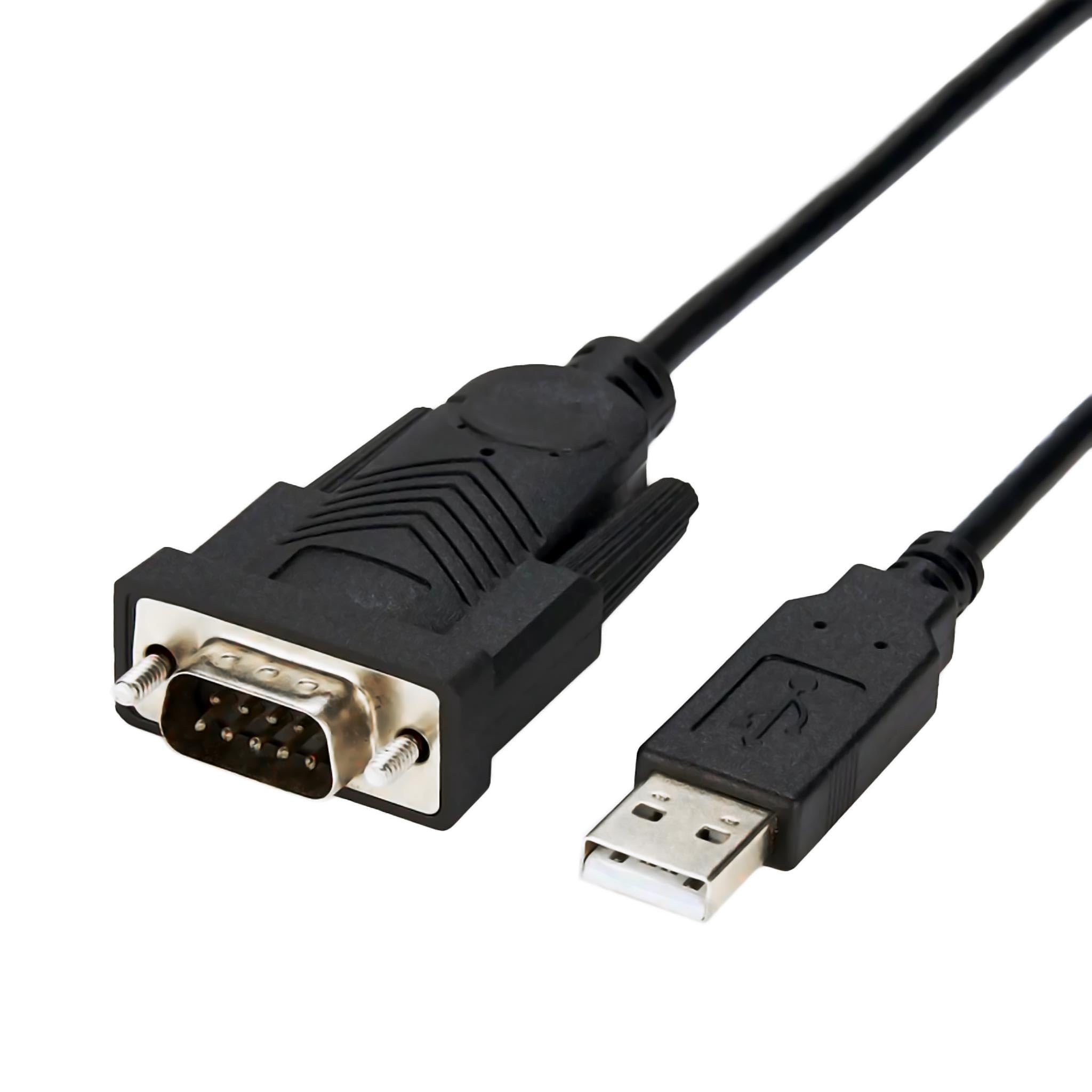
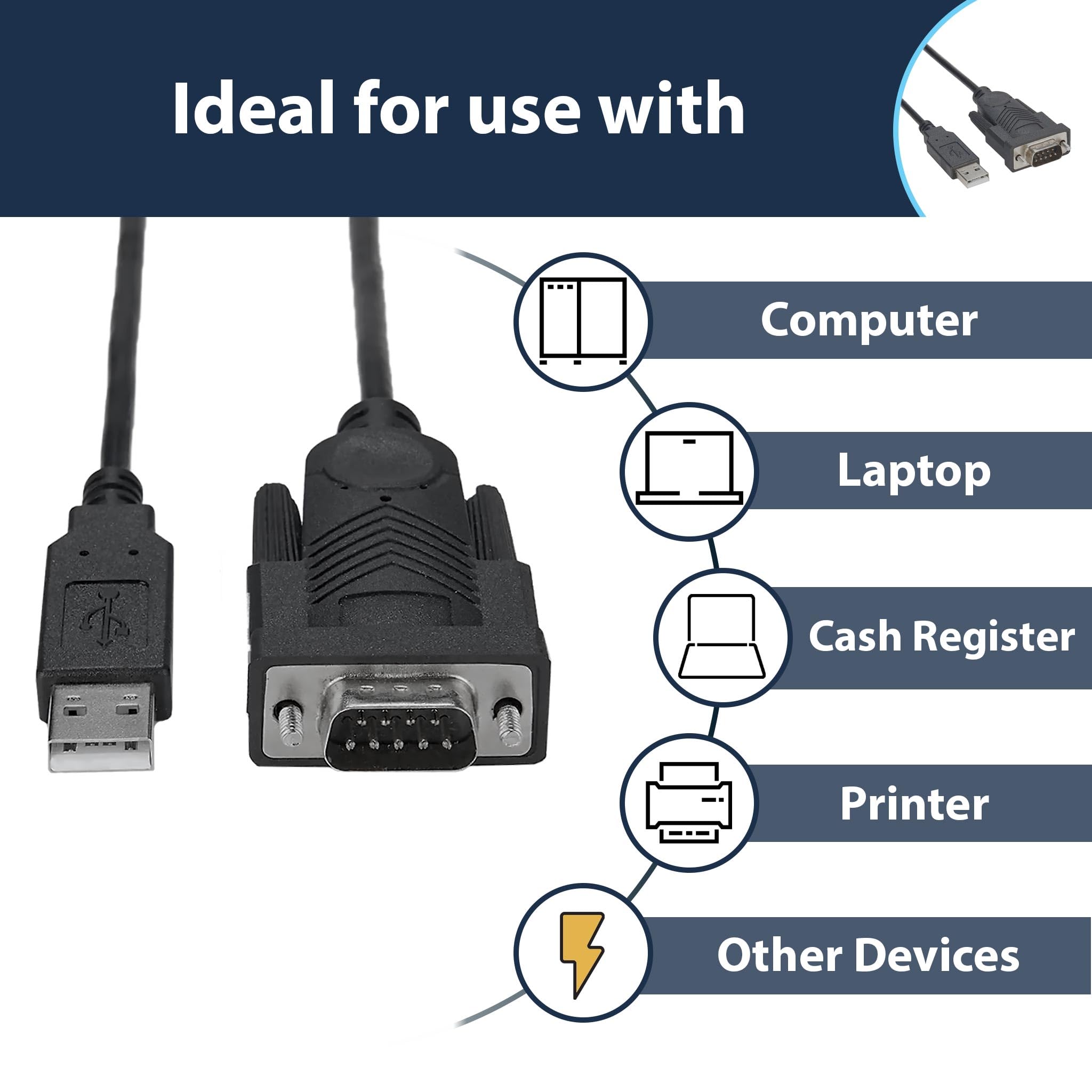
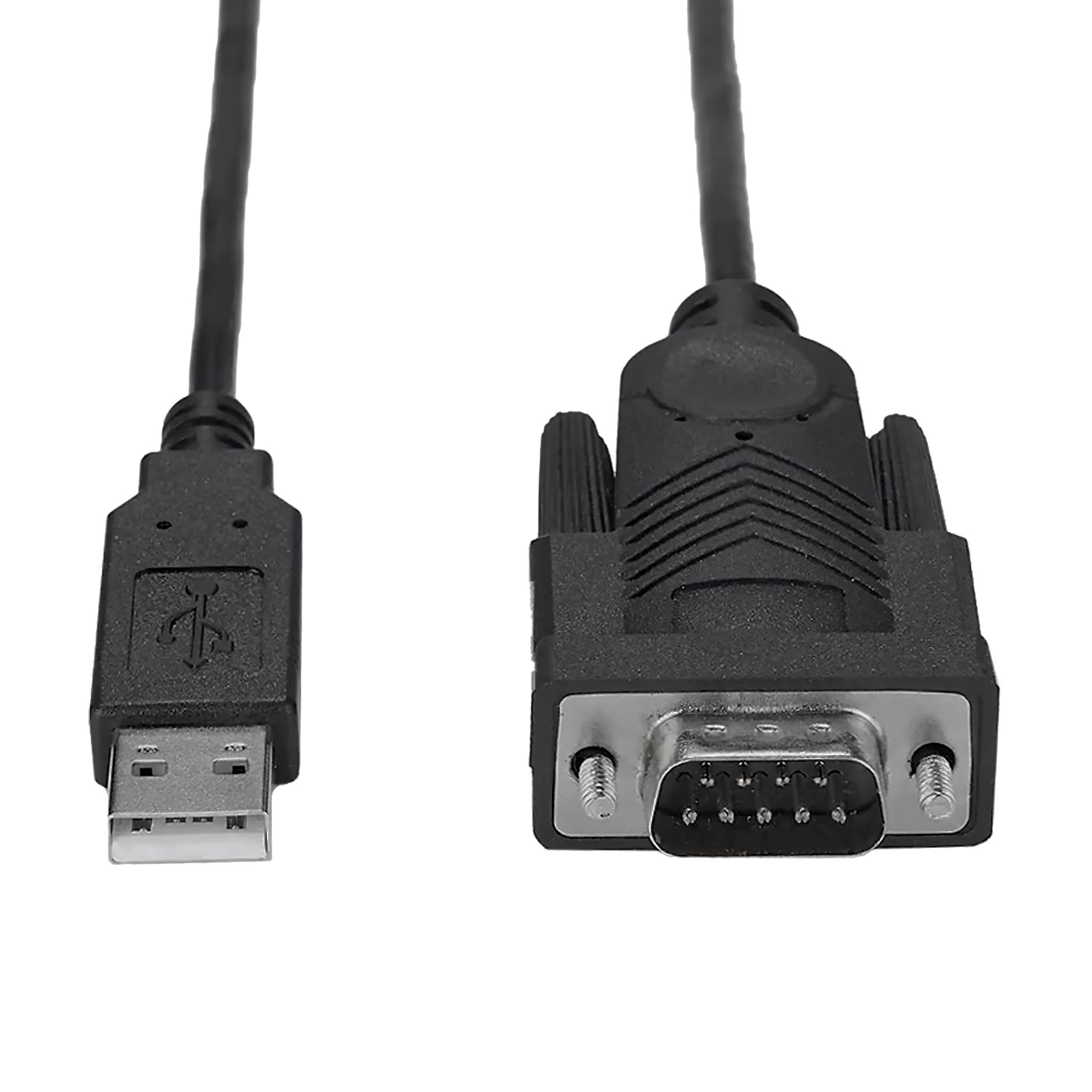
The Pipestation USB to Serial Adapter Cable (1m) converts USB Type-A ports into RS232 DB9 serial connections, enabling seamless integration of legacy devices like modems, printers, and cameras with modern computers. Featuring plug-and-play ease, a versatile male-to-male design, and a convenient 1-meter length, this lightweight, RoHS-compliant cable ensures reliable data transfer without complex setup.


| ASIN | B0CL72TGGW |
| Batteries Required? | No |
| Batteries included? | No |
| Best Sellers Rank | 58,493 in Computers & Accessories ( See Top 100 in Computers & Accessories ) 148 in Serial Cables |
| Colour | Black |
| Customer Reviews | 4.0 4.0 out of 5 stars (71) |
| Date First Available | 17 Oct. 2023 |
| Included components | Cable |
| Item Weight | 50 g |
| Item model number | Pipestation USB to Serial Adapter |
| Manufacturer | Pipestation |
| Package Dimensions | 17.4 x 12.7 x 1.2 cm; 50 g |
| Part number | USB Serial Cable - 1m |
| Shape | Round |
| Special Features | Data Transfer |
| Specification met | RoHS |
J**R
Works great for connecting a HP48G calculator to Windows 11
I have one specific use for this serial cable which is to connect my trusty old (1990s) Hewlett Packard HP48G calculator to Windows 11 to enable backup/restore and program transfers. The chipset used is CH340 which is very common these days due to ubiquitous use in Arduino microcontroller devices and similar, so you should have no problem installing drivers. In fact the cable was recognised automatically in Windows 11 for me but that may be due to the fact I have installed the Arduino IDE and relevant drivers for that hardware, in any case you can just search for "CH340 drivers windows". Now the main problem is finding suitable software for the serial connectivity that works in Windows 11. Back in the day this was pretty simple with programs like Hyper Terminal included by default in Windows. Nowadays it's not so easy and I had to spend a whole afternoon getting something eventually to work. This is NOT the fault of the serial cable though, which is why I have still given it 5-stars, it works excellently once set up. Rather the problem is that old-fashioned RS232 data communications are not a common need for most people in 2023 so not much older software has been updated for years. Another issue is that Windows 11 has introduced new restrictions on some older drivers which it will not allow to load without turning off the new security features, so even software that worked in Windows 10 may not install smoothly in Windows 11. Eventually I found a program for HP Calculators called "HPComm" which is described as "HP 48/49 link kit for Windows 95/98/NT/2000, with an easy-to-use Explorer-like interface. Included with the HP Graphing Calculator PC Connectivity Kit and under the GPL" and available as freeware at the hpcalc.org site. This worked fine one I managed to reassign the port from COM5 to COM4 (the program only works on COM1-COM4) which you can do by (temporarily) uninstalling other serial devices in Device Manager and installing this serial-usb cable first. So moral of the story is, if you are willing to put in a few hours to get things set up you should get great use from a usb-serial cable like this one which is particularly good value too (and the CH340 chipset is well-supported in modern Windows 10/11 etc)
.**.
Works great for my Cisco console connections
I bought this USB to Serial adaptor to replace a lost adaptor and it works well. I use it to connect my laptop to Network device console ports via a USB port on my laptop. You just have to plug it in to your laptop and select the correct COM port on your terminal emulator.
P**F
New to old in one connection
Review of Pipestation 1mtr | USB to RS232 DB9 9-pin Converter Cable, A cable that is proving to be of great use, having been using computers since the early nineties one has a collection of old peripherals including the first ever Philips CD writer, one writeable non digital CD costing five pounds each in late nineties. However I digress, having many items using RS232 nine pin plugs I can only use them with my old desktop computers so they remained in storage, items still usable such as printers and scanners. This cable has allowed me to connect my modern laptop to this equipment using a USB “A” port and breath new life into it, this probably frowned on by the younger generation but gives me pleasure to see this old equipment having a second life and not just being thrown away. Reading reviews one can see people have varied and interesting uses for this type of cable, hopefully we may find 32 pin and SCSI converters also available, this as one can see myself and many others still have interest in our computer history and its peripherals. This cable easy to use and install being recognised by modern PC operating systems and appropriate drivers being installed automatically in most cases, obviously not all equipment will be compatible or be recognised as this is the nature of computer chips and software, however for me this cable is a joy to use with many alternatives still to try.
A**N
Its only a cable ...I thought it was ...USB Adapter to Serial..Its NOT
Its not a USB to Serial ADAPTER
M**L
Won't work with everything
As has been mentioned in other reviews, this doesn't give negative voltage or particularly high voltage. This means that some devices just won't work with it, and it certainly isn't going to be good for longer distance comms where you get voltage drop over a longer cable run. So if it is for connecting to a small serial device on your desk it will probably work, but if the device is fairly old or on the end of a long serial cable then you'll find far better devices for that job at not much more cost. Widely supported chipset, so you'll be fine with most operating systems - but of limited use to me as mostly I'm interfacing with systems that need the full serial voltage range to work reliably.
T**C
Just works
The adapter converts between USB2 and RS232 via a single DB9 male adapter. The construction of the adapter is good and it feels robust. The logic is in the DB9 and of the cable. This device is based on the well known CH340 chipset. It works up to a 2MBPS baud rate. The output voltage is 0-5V (see scope traces, showing a 2Mbps output), there are no negative voltages. I'd expect a +5V / -5V output as this is the minimum for RS232, per the standard and documents such as the TI slla544, however I know that a number of devices are only positive with respect to ground, since this is a lot easier to generate and fairly common, even though it breaks the standard. Old serial devices may expect signalling of up to +/- 15V and therefore may fail to sense the far lower voltages produced by modern adapters such as this one. There were no drivers required and it just worked on Windows and Linux, since its plug and play, however drivers are available on-line if needed, search for the chip name CH340. Given its price and the functionality it provides, its good value for money.